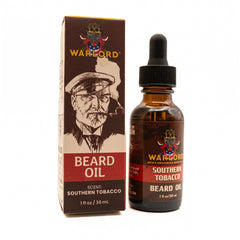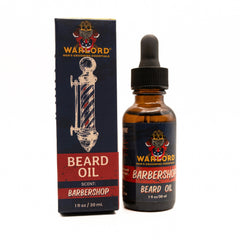



Key Takeaways:
- Ingredient Purpose: Every ingredient in beard oil should serve a function like hydration, conditioning, or calming the skin.
- Matching Matters: The best results come from choosing ingredients that fit your beard’s stage and skin type.
- Not Just Scent: Carrier oils do the work. Essential oils shape the scent. Both need balance to perform well.
Beard oil isn’t just some slick bottle with a fancy label. It’s a blend of purpose-built ingredients working together to care for your face, your skin, and your story. The right mix can calm irritation, soften scruff, and make your beard feel like it was meant to be there. And if you’ve ever looked at a label and thought, “What exactly is all this stuff?” you’re not alone.
At Warlord, we don’t cut corners or follow fads. We build every bottle with precision and pride, using ingredients that have stood the test of time. Our oils are crafted to perform. Not to sit around looking pretty. We use natural, effective components that support skin health, tame wild growth, and deliver scent with character. If it goes in our product, it has a reason to be there.
In this piece, we’re breaking down beard oil ingredients, why they matter, and what to look for when choosing the right oil for your beard and skin.

What’s in Beard Oil? A Look at the Basics
Beard oil is more than just a grooming trend. At its core, it's a simple product made to do a specific job. The main goal is to hydrate the skin beneath your beard, soften facial hair, and help everything look and feel better. But not every bottle is built the same. Quality beard oils rely on a few key ingredients that determine how well the product works.
Here’s a quick breakdown of the building blocks found in most beard oils:
- Carrier oils: The base of the formula. These oils deliver moisture, vitamins, and skin support.
- Essential oils: Added for scent and sometimes added benefits, depending on the plant source.
- Botanical extracts: Some blends include herbal infusions or natural additives to support skin health.
- Vitamins: Common additions like vitamin E help nourish hair and reduce dryness.
-
Optional scent blends: These may be essential-oil based or fragrance blends, depending on the style.
The quality of a beard oil comes down to what’s in it and why. A solid blend will do its job without leaving buildup or irritation behind. Cheap fillers or overly complex formulas can create more problems than they solve. If you want a beard oil that actually supports your grooming goals, it helps to know what you're putting on your face.
Carrier Oils for Beard Oil: The Foundation That Does the Work
Carrier oils are the base of every beard oil formula. They do the heavy lifting. These are the ingredients that moisturize your skin, soften your beard, and carry the other components where they need to go. Without carrier oils, beard oil wouldn’t be much more than a scent. And while they may not get the spotlight, they’re the reason a product actually works.
Different carrier oils bring different benefits. Jojoba oil is known for absorbing quickly and mimicking the natural oil your skin already produces. Argan oil is rich in vitamin E and gives rough beards a softer, smoother finish. Sweet almond oil adds gentle moisture and helps calm irritation. Grapeseed oil is lightweight and a good option for guys with oily or acne-prone skin.
The mix of carrier oils in a blend determines how it feels and how it performs. Some are light and clean, great for daily use. Others are richer, offering deeper conditioning for coarse or dry beards. If you're using a beard oil that feels too greasy or disappears too fast, chances are the carrier oil blend isn't right for your skin or hair type.
Choosing the right blend of carrier oils for beard oil is about more than preference. It’s about performance. When the foundation is solid, the rest of the formula falls into place.
Essential Oils in Beard Oil: More Than Just Scent
Essential oils are often what give a beard oil its signature scent, but that’s not their only role. These concentrated plant extracts can also support skin health, reduce irritation, and complement the base oils in the blend. Used in the right amount, they turn a functional product into a personal experience. But they have to be balanced. Too much can overwhelm the skin. Too little, and they don’t do much at all.
For Scent and Style
Oils like sandalwood, cedarwood, bergamot, and clove are often chosen for their bold, masculine scent profiles. They shape how a beard oil smells and how long that scent stays with you. The right blend can match your personality or even replace cologne. If you're looking for something that leaves a strong impression, check out our best smelling beard oil collection.
For Skin Benefits
Some essential oils offer more than fragrance. Tea tree and peppermint, for example, are used to help reduce itch and calm irritation. Lavender can help soothe sensitive skin, and eucalyptus may offer a cooling effect that feels clean without being overpowering.
Finding Balance
In the hands of a skilled maker, essential oils are used with purpose. They’re not just thrown in for show. At Warlord, we build scent into the experience, making sure each one delivers presence without overpowering. It’s not about smelling loud. It’s about smelling like you mean it.
The best essential oils in beard oil don’t just mask problems. They support the formula and sharpen the identity of the product.
Natural Beard Oil Ingredients That Actually Matter
Not everything labeled “natural” belongs in your beard. Some ingredients sound impressive but don’t do much once they’re on your face. The best natural ingredients are the ones that deliver real results without irritating your skin or leaving behind buildup.
Take jojoba oil. It mimics your skin’s natural sebum, which makes it a solid choice for hydration and balance. Argan oil brings vitamin E and essential fatty acids to help soften coarse hairs. Tea tree oil and peppermint aren’t just there to smell good. They help calm the skin and reduce that early-growth itch that drives most guys crazy. Then there’s vitamin E, often added for its role in repairing dry or irritated skin.
The way these natural ingredients work together makes the difference. One oil alone won’t do it all. But the right combination of natural beard oil ingredients in a quality beard oil can support healthy growth, reduce irritation, and give your beard a clean, lived-in look.
If you’ve ever wondered what separates a cheap product from one that actually works, it usually comes down to this: ingredients that were chosen with intent.

How Ingredients in Beard Oils Support Skin and Hair Health
Beard oil isn't just for the beard. The skin underneath matters just as much. If that skin dries out, flakes, or gets irritated, your beard is going to look and feel worse for it. The ingredients inside the bottle are there to support both, keeping your face comfortable and your beard strong.
Skin Hydration and Barrier Support
Carrier oils like jojoba, grapeseed, and almond oil sink into the skin and help restore moisture. They protect the skin’s barrier, preventing flakiness and tightness. This keeps the itch away and gives your beard a healthy foundation to grow from.
Hair Conditioning and Softening
Argan oil, vitamin E, and coconut-derived oils help soften rough facial hair. That means less tugging when you comb, fewer split ends, and a beard that feels better to the touch. Softer hair also lays flatter, making your beard easier to shape and maintain.
Reducing Inflammation and Irritation
Essential oils like tea tree and peppermint are known for their calming effects. They don’t just make the oil smell fresh. They can help reduce redness, clogged pores, and that raw, irritated feeling that often shows up during the early weeks of growth.
These functions all work together. Ingredients in beard oils aren’t just for scent or shine. They serve a purpose, and when the blend is built right, you’ll notice the difference.
Choosing the Right Beard Oil Ingredients for Your Routine
The ingredients in your beard oil should match your beard’s current needs. It’s not just about picking something that smells good. The right blend can support growth, ease irritation, or help control a wild, full beard. When you're building a routine that works, understanding your skin type, growth stage, and daily habits goes a long way.
Here’s how to narrow it down:
- If you’re new to growing a beard: Look for oils with light, fast-absorbing carrier oils like jojoba or grapeseed. Early growth needs hydration more than anything else. If you're thinking about tools too, you might wonder does a derma roller help beard growth, but it's worth reading up first.
- If your beard is patchy or uneven: Choose oils with added vitamin E and essential oils like peppermint or tea tree. These ingredients can support skin health and improve how your beard fills in over time.
- If you’re trying to grow a fuller, thicker beard: Some oils are built to support that process with nutrient-dense carrier oils and targeted formulas. You may be wondering does beard growth oil work. The truth is, oils can’t force growth, but the right blend can create better conditions for healthier, stronger hair.
- If you already have a full beard: You’ll want richer oils like argan or almond to help soften the hair, reduce split ends, and make styling easier.
No matter what stage you’re in, the ingredients tell the story. The right mix doesn’t just make your beard look good. It makes it easier to maintain, less irritating to wear, and more in tune with your routine.

Final Thoughts: Strong Ingredients Build a Stronger Beard
A beard oil is only as good as what goes into it. Every ingredient should serve a purpose: to hydrate, protect, soften, or support the skin beneath. Whether you’re just starting your beard journey or you’ve been at it for years, knowing what’s in your bottle helps you choose with intention, not guesswork.
At Warlord, we don’t load our products with filler or fluff. Every blend is built to work, made with ingredients that hold their own and deliver what your beard needs. The goal is simple: better skin, stronger hair, and a beard that feels like it belongs.
If you're still figuring out what fits your routine, there's no shame in testing different styles. Some guys stick with oil. Others add balm for hold and shape. If you're comparing the two, this breakdown on beard balm vs oil can help you decide what fits your daily setup.
Strong ingredients don’t need to shout. They show up, do their job, and leave you better than they found you.
Frequently Asked Questions About Beard Oil Ingredients
Can beard oil ingredients cause allergic reactions?
Yes. Some essential oils or nut-based carrier oils can trigger reactions in sensitive skin. Always patch test before full use.
Do all natural beard oils smell earthy or herbal?
No. While many do use natural scents like cedarwood or citrus, some blends are crafted to be subtle, neutral, or even unscented.
Is it safe to use beard oil with other grooming products?
Yes. Beard oil can be layered with balm or wax, as long as the ingredients don’t conflict or cause buildup.
How do I know if a beard oil is too strong for my skin?
Signs like redness, stinging, or dryness may mean the formula is too concentrated or not suited to your skin type.
Are synthetic fragrances in beard oil bad?
Not always. High-quality synthetic scents are often used for stability or complexity, but some can irritate sensitive skin.
Can I make beard oil at home with the same ingredients?
You can try, but the results may vary. Quality beard oil relies on exact ratios and sourcing that’s hard to replicate in a kitchen.
Do the ingredients affect how long beard oil lasts on the skin?
Yes. Lighter carrier oils absorb quickly, while heavier ones stay longer. The mix determines how long it stays effective.
Why do some beard oils separate or change over time?
Natural oils can shift in texture or appearance based on temperature and age. Shake well and store in a cool place.
Do ingredients impact how beard oil feels in different climates?
Absolutely. In dry climates, heavier oils help retain moisture. In humid areas, lightweight blends feel cleaner on the skin.
Is it okay to switch beard oils depending on the season?
Yes. Many men change oils throughout the year to match changing skin needs and weather conditions.
Sources:
- Abdalla, S., Aroua, M. K., & Gew, L. T. (2024). A comprehensive review of plant‑based cosmetic oils (virgin coconut oil, olive oil, argan oil, and jojoba oil): Chemical and biological properties and their cosmeceutical applications. ACS Omega, 9, 1711–.https://doi.org/10.1021/acsomega.4c04277
- Aroua, M. K., Abdalla, S., & Gew, L. T. (2024). Plant oils’ bioactive composition and application in cosmetic formulation. ACS Omega, 9, 1711.https://doi.org/10.1021/acsomega.4c04277
- Shi, Y. (2017). Natural oils for skin‑barrier repair: Ancient compounds now proven effective. American Journal of Clinical Dermatology, 18(3), 359–370. https://doi.org/10.1007/s40257-017-0301-1