

Key Takeaways:
- Shape Matters: The types of goatees range from the standard and Van Dyke to the horseshoe and chin curtain, each with its own history and character.
- Face Shape Guides the Choice: Round, square, oval, and angular faces each pair best with different goatee styles built to balance or sharpen their natural lines.
- Growth Determines Strategy: Men with thick, even growth have the most freedom in style, while those with patchy growth benefit from shorter shapes and consistent beard oil for men use.
There's a picture in a lot of Southern households of a grandfather, a father, or an uncle standing on a porch with a goatee that looked like it meant something. Not trimmed for a trend. Not copied from a magazine. Just shaped by the man wearing it, the way he wanted to be seen. That's the thing about a goatee. It's one of the few facial hair styles that lets a man say something about himself without saying a word.
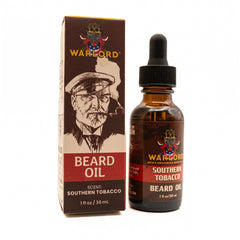
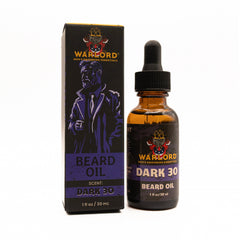
We built Warlord because grooming should feel like that, like something worth doing right. We're veteran-owned and American-made, crafted in small batches out of Mobile, Alabama, with more than 1,300 customer reviews behind us and a BBB accreditation to back it up. We stand behind our products enough to offer a 20 percent discount to the military, veterans, and first responders who've earned it. Every scent in our lineup, from Southern Tobacco to Dark 30, was built to carry real memories, not just fragrance. So when we talk about facial hair and what suits a man's face, we're speaking from years of watching men figure out who they are in the mirror, one beard at a time.
In this article, we walk you through the different types of goatees, how each one carries its own history and character, and how to figure out which style fits your face, your lifestyle, and the man you're trying to be.
Classic Goatee Styles Every Man Should Know
The standard goatee is where most men start, a patch of hair on the chin paired with a mustache, clean and deliberate. It's one of the most recognized types of goatees because it strikes a balance between rugged and refined without asking too much of a man's face. Then there's the Van Dyke, a sharper cousin with the mustache and chin hair kept separate, favored by men who want something a little more pointed and old-school.
The horseshoe and the chin curtain round out the lineup worth knowing. The horseshoe runs down from the mustache in two thick lines, a style with roots in biker and blue-collar culture. The chin curtain skips the mustache entirely and wraps the jawline, a look tied to old-world tradition and hard work.
Each of these goatee beard types carries its own history, and knowing them is the first step to picking the one that's actually yours. If you want to know what actually goes into keeping any of these styles looking sharp, our beard oil ingredients breakdown covers exactly that.

Different Goatee Styles For Different Face Shapes
Not every goatee suits every man, and that's not a knock on the goatee, it's just how faces work. The right goatee styles can sharpen a soft jawline or bring balance to a face that's all angles, while the wrong one can throw everything off. Here's how to read your own face shape before you pick up the trimmer:
Round Faces
If your face runs round, you want length and definition, not more roundness. A goatee with some length on the chin, paired with a tighter mustache, adds structure and makes the jawline look sharper than it is. Think Van Dyke over horseshoe here.
Square Faces
Square faces already have strong angles, so the goal is softening, not sharpening further. A fuller standard goatee that blends into light stubble on the cheeks takes the edge off without hiding the jaw that got you noticed in the first place.
Oval And Angular Faces
Oval and angular faces have the most room to play. Most goatee beard types work here, from a clean chin curtain to a bold horseshoe, because the natural balance of the face carries the style instead of fighting it.

Men's Goatee Styles Based On Beard Growth
Not every man is working with the same beard, and that's fine, because different goatee styles were never meant to be one-size-fits-all. Some men have thick, even growth ready for any shape, while others deal with patchy spots or slower coverage that call for a little strategy. Here's how to work with what you've got instead of against it:
If You Have Thick, Even Growth
Thick growth gives you the most freedom. You can wear a horseshoe, a full standard goatee, or a bold Van Dyke without worrying about bare patches showing through. This is where you get to have some fun and pick based on style alone, not necessity.
If You Have Patchy Or Uneven Growth
Patchy growth doesn't mean you're stuck with a bad goatee. Sticking to a shorter, tighter shape like a chin curtain hides gaps better than a longer style. A lot of men in this spot also reach for beard oil for patchy beard to keep the hair you do have looking full and healthy.
Supporting Healthy Growth Over Time
Genetics decide most of what your beard can do, but keeping the skin underneath it in good shape matters too. Many men incorporate castor oil for beard into their routine, and a quality beard oil delivers itch relief and conditioning the moment you apply it, not days later.

Final Thoughts
A goatee is one of the most personal choices a man makes about his own face. Whether you're working with a strong jaw or a patchy chin, there's a style built for you, and choosing it comes down to understanding your shape and your growth, not chasing what looks good on someone else. That's the whole point. A goatee should look like it belongs to you.
Once you've settled on your style, the maintenance matters just as much as the shape. We built our beard oil for the men who want their goatee to look sharp every single day, not just on the days they feel like putting in the work. Take the time to figure out what suits you, then take care of it like it's worth taking care of.
A man who grooms with intention never has to explain himself.
Frequently Asked Questions About Types Of Goatees
What is the most popular type of goatee?
The standard goatee remains the most recognized of all the types of goatees because it works on a wide range of face shapes and requires less upkeep than fuller styles like the horseshoe.
How often should I trim my goatee to keep its shape?
Most goatee styles hold their shape best with a trim every three to five days, though thicker growth may need attention more often to keep the lines sharp.
Can beard oil help my goatee grow in fuller?
Beard oil supports the health of your skin and the hair you already have, delivering itch relief and conditioning the moment you apply it, but growth itself comes down to genetics.
What scent works best for a classic, old-school goatee look?
Our 1880 scent was built with old-world barbershop character in mind, making it a natural pairing for men wearing classic goatee beard types like the Van Dyke or chin curtain.
Do I need special tools to maintain different goatee styles?
A quality trimmer with adjustable guards and a fine-tooth comb cover most goatee maintenance. Sharp, well-maintained tools make a bigger difference than any specialty gadget.
Are goatees considered professional in most workplaces?
Well-groomed goatees are widely accepted in professional settings. A clean, defined edge and consistent shape go a long way toward keeping any goatee looking sharp and intentional.
Can sensitive skin handle daily goatee upkeep?
Daily trimming and grooming can be tough on sensitive skin, which is why many men reach for beard oil for sensitive skin to keep irritation in check while maintaining their shape.