


Key Takeaways:
- Function First: Each beard oil type is built to meet specific needs like hydration, softness, or scent.
- Growth-Specific: Your beard’s stage of growth affects what type of oil will perform best.
- Ingredient Impact: Carrier oils like jojoba, argan, or grapeseed determine how the product feels and works.
Beards might look simple from the outside, but anyone who’s grown one knows the truth: maintaining a solid beard takes more than just letting it grow wild. It’s about care, control, and knowing what you’re putting into it. Beard oil isn't just a grooming add-on. It's essential. But not all beard oils are created equal. There are different types out there, built for different needs, goals, and preferences. From oils that soften coarse whiskers to those that give your beard a clean, subtle shine, each type carries its own purpose.
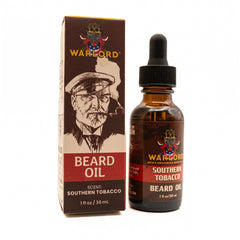
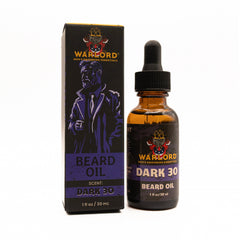
At Warlord, we don’t chase trends. We bottle nostalgia and grit. Our beard oils smell like legacy and perform like they were built to last. Veteran-owned and rooted in tradition, every bottle we make honors the men who raised us and the generations of toughness behind them. We don’t cut corners. We don’t fake it. Every drop is made with precision and pride, because if it carries the Warlord name, it better show up and do the job.
In this piece, we’re digging into the different beard oil types, breaking them down so you can find the one that suits your beard, your skin, and your style.

What Exactly Are Beard Oil Types?
Beard oil types refer to the different blends, ingredients, and formulations used to support beard health and daily grooming. Some oils are designed to soften coarse facial hair. Others focus on moisturizing the skin underneath to reduce dryness and irritation. There are also blends aimed at improving manageability, adding a healthy sheen, or delivering a scent that fits a specific personal style. Each type exists for a reason, and using the right one makes a noticeable difference.
At its core, beard oil is meant to condition both the hair and the skin beneath it. The way an oil performs depends on how it’s built. Lighter blends absorb quickly and leave a natural finish, while richer formulas provide deeper conditioning for thicker or longer beards. These variations are what separate one beard oil type from another and why understanding them matters.
There is no universal solution that works for every beard. Early growth, full beards, and mature beards all have different needs. Knowing how beard oil types differ helps you choose something that fits your beard instead of settling for something that just happens to be on the shelf.
Natural vs. Scented: Beard Oil Categories That Set the Tone
Beard oil categories often start with one core question. Do you want something natural and neutral, or are you looking for a scent that makes an impression? Both styles serve a purpose, and neither is better than the other. It comes down to what you need your beard oil to do beyond just conditioning.
Natural beard oils are typically unscented or lightly scented from their base ingredients. These are ideal for men with sensitive skin, fragrance sensitivities, or those who prefer to let their cologne or surroundings speak louder. A good natural oil still does the heavy lifting. It softens the beard, hydrates the skin, and cuts down on itch without adding a noticeable aroma. It’s beard care that doesn’t announce itself.
Scented beard oils, on the other hand, are where character lives. These blends often use essential oils or crafted fragrance oils to deliver a specific experience. From rugged woods to clean citrus or bold, masculine blends with depth, these oils don’t just treat the beard. They set a tone. A signature scent can tie your presence together, giving your grooming routine that final, personal layer.
Warlord builds both. The natural options give you function without the extra. The scented ones carry tradition in every drop. You get to decide what fits your story best.

Carrier Oils: The Backbone of Every Beard Oil
Every beard oil starts with a foundation, and that foundation is carrier oil. These are the base oils that do most of the work, delivering moisture, reducing irritation, and keeping your beard healthy from root to tip. The type of carrier oil used plays a big role in how the beard oil feels, absorbs, and performs. Some are lighter and fast-absorbing. Others are heavier and more conditioning. Understanding the difference helps you pick a beard oil that works with your skin and beard, not against it.
Jojoba Oil
Jojoba closely mimics the natural oils your skin produces, which makes it one of the most popular carrier oils in beard care. It absorbs quickly, leaves no greasy feel, and helps balance oil production. It’s a go-to for reducing beard itch and calming dry skin underneath.
Argan Oil
Packed with vitamin E and fatty acids, argan oil adds deep moisture and a bit of shine. It’s ideal for taming rough or wiry beard hair and helps give your beard a softer, more touchable texture without weighing it down.
Sweet Almond Oil
Sweet almond oil is gentle, nutrient-rich, and great for guys with sensitive skin. It helps reduce inflammation and flakiness, making it a solid pick if you’re dealing with beard dandruff or dry patches.
Grapeseed Oil
This is a lighter oil that doesn’t clog pores and absorbs quickly. Grapeseed is often used in blends meant for oily or acne-prone skin, as it moisturizes without leaving buildup.
Coconut Oil (Fractionated)
Fractionated coconut oil stays liquid at room temperature and delivers lasting hydration. It’s heavier than some other carrier oils but offers serious conditioning. Best used in colder months or on thicker, fuller beards that need extra control.
Warlord uses high-quality carrier oils in every blend, chosen for how they perform, not just how they sound on a label. That’s how we make beard oil that works as hard as you do.
Performance-Based Beard Oil Varieties for Every Beard Journey
Every beard has its own story. Some are just starting to come in. Others are thick, full, and need regular maintenance. The right beard oil isn’t just about what smells good or feels nice. It’s about how it performs. Performance-based beard oils are built around specific results, helping guys get what they need from their grooming routine with purpose.
Here are a few common types based on what they’re made to do:
- Hydrating Oils: Ideal for dry climates or coarse beards, these focus on locking in moisture and keeping both the beard and skin soft.
- Soothing Oils: Designed to calm irritation and reduce beard itch, usually with ingredients like jojoba or chamomile.
- Shine-Boosting Oils: For guys who want a clean, well-kept look without feeling greasy.
- Strengthening Oils: Packed with nutrients like vitamin E or argan oil, these help support hair health and reduce breakage.
- Lightweight Daily Oils: Fast-absorbing blends for shorter beards or guys who want to apply and move on without residue.
- Deep Conditioning Oils: Thicker blends that provide long-lasting moisture, ideal for dense or unruly beards.
Some oils are also marketed as growth-supporting. If you’ve ever asked does beard growth oil work, the real answer comes down to ingredients and consistency. Oils that keep your skin healthy and your follicles nourished create the right conditions for stronger, fuller growth over time.
Breaking Down Beard Oil Styles by Beard Growth Needs
Not every beard grows the same. Some come in patchy, others take off thick and fast. Whether you’re just getting started or maintaining a beard you’ve had for years, the style of beard oil you use can help you get more out of your routine. Matching the oil to your growth stage means fewer setbacks, better results, and a beard that looks like it’s headed somewhere with purpose.
Early Growth and Patchy Beards
In the beginning stages, it’s all about taking care of the skin. Oils made for early growth tend to focus on hydration, reducing inflammation, and clearing out dry skin flakes that can slow things down. Lighter blends are better here since they absorb quickly and don’t overwhelm shorter hairs.
Medium-Length Beards
As your beard starts to fill in, you’re dealing with more surface area and thicker strands. Mid-stage oils usually balance conditioning and control. A mix of hydration and light scent keeps the beard soft without losing shape. This is where oils with added nutrients start to make a noticeable difference.
Full or Dense Beards
Thick beards need more support. Oils designed for full growth often use richer carrier oils that stay in longer and add weight to the beard. These blends help with manageability, reduce friction between hairs, and keep everything looking clean.
Growth-Focused Oils
Some oils are made with ingredients that support a healthier environment for growth. They won’t create hair out of nowhere, but they do help by keeping follicles clear, reducing breakage, and delivering nutrients where they’re needed. If you’ve asked does a derma roller help beard growth, it’s worth learning how tools and products work together before adding more steps to your routine.

Final Thoughts: The Right Beard Oil Isn’t a Trend, It’s a Tool Built to Last
A good beard oil does more than sit on a shelf. It shows up every day and does the job. It keeps your beard looking strong, your skin feeling right, and your grooming routine simple. The different types of beard oil out there exist for a reason. Whether you need hydration, control, scent, or support for a thicker beard, there’s a blend that fits. It’s not about hype. It’s about knowing what your beard needs and reaching for something that’s built to handle it.
At Warlord, we craft our oils with that mindset. We don’t chase the next big thing. We build grooming gear that lasts. If you’re still deciding what works best for your style or routine, there’s more to explore. If you’ve ever wondered where beard balm vs oil fits into your setup, that’s a good next step. Whatever you choose, make sure it’s something that earns a place on your shelf.
Frequently Asked Questions About Beard Oil Types
What is the difference between beard oil and beard serum?
Beard oil is designed for daily conditioning and skin hydration, while beard serum typically targets deeper concerns like hair repair or specific treatment benefits.
Can I mix different types of beard oil together?
Yes, you can layer or mix oils, but it’s best to understand their ingredients first to avoid irritation or overpowering scents.
How do I know if I need a heavier or lighter beard oil?
If your beard is thick, coarse, or dry, heavier oils work better. Lighter oils are ideal for shorter beards, oily skin, or warmer climates.
Are there seasonal differences in the types of beard oil I should use?
Yes. In colder months, richer oils help with dryness. In warmer months, lightweight blends keep your beard feeling fresh without buildup.
Do certain beard oil types work better for curly or textured beards?
Beards with more texture often benefit from oils rich in moisture and slip, like argan or castor oil, which help with detangling and softness.
Are there beard oils made specifically for nighttime use?
Some beard oils are made with calming scents like lavender or chamomile, which can double as a relaxing nighttime product.
Can I use different beard oils for different parts of my beard?
You can, especially if you have uneven growth or skin conditions. A richer oil on the chin and a lighter one on the cheeks is a common combo.
Do beard oil types affect how often I need to wash my beard?
Yes. Heavier oils may require more frequent rinsing to avoid buildup, while lightweight oils are less likely to affect your wash routine.
Is it okay to switch beard oils often, or should I stick to one type?
It’s fine to switch based on your needs or preferences. Your beard may benefit from rotating oils depending on weather, skin condition, or styling goals.
Are unscented beard oils less effective than scented ones?
No. The performance comes from the carrier oils, not the scent. Scented oils add fragrance, but unscented ones still deliver full conditioning benefits.
Sources:
- Abdalla, S., Aroua, M. K., & Gew, L. T. (2024). A comprehensive review of plant‑based cosmetic oils (virgin coconut oil, olive oil, argan oil, and jojoba oil): Chemical and biological properties and their cosmeceutical applications. ACS Omega, 9, 1711–.https://doi.org/10.1021/acsomega.4c04277
- Aroua, M. K., Abdalla, S., & Gew, L. T. (2024). Plant oils’ bioactive composition and application in cosmetic formulation. ACS Omega, 9, 1711.https://doi.org/10.1021/acsomega.4c04277
- Shi, Y. (2017). Natural oils for skin‑barrier repair: Ancient compounds now proven effective. American Journal of Clinical Dermatology, 18(3), 359–370. https://doi.org/10.1007/s40257-017-0301-1