Most men skip beard oil at the stubble stage, assuming it only matters once there is enough hair to work through. That assumption costs weeks of unnecessary itch and skin irritation. The stubble stage is where beard health is built or broken, and beard oil for short beards is the most effective intervention at exactly this point.
The Skin Adjusts To Growing Hair
When facial hair first breaks through the skin surface, the hair shaft disrupts the stratum corneum and triggers micro-inflammation around each follicle. This is the primary cause of stubble itch. Carrier oils applied at this stage, particularly jojoba, which mimics natural sebum, restore the disrupted barrier and eliminate the itch before it compounds into a chronic irritation cycle.
Sebum Cannot Keep Up With Early Growth
At the stubble stage, hair grows faster than the sebaceous glands can respond, leaving skin dry and emerging hairs brittle. Every beard oil formula we make supplements that sebum deficit directly, delivering the fatty acids the skin needs until the glands catch up to the growth rate.
Early Conditioning Determines Beard Quality
Hair grown through a hydrated, healthy follicle environment is softer, thicker, and more resilient than hair grown through dry or inflamed skin. Applying beard oil at the stubble stage establishes the skin health baseline that everything else builds on. Our does beard growth oil work guide covers exactly what consistent early use delivers.
Signs Your Stubble Is Telling You It Needs Beard Oil Now
Stubble gives clear signals when the skin beneath it is suffering. Most men ignore them or reach for the wrong fix. Beard oil for light stubble addresses every one of these problems directly.
- Skin Tightness After Washing: That tight, dry feeling after washing your face is the skin barrier being depleted. Carrier oils restore the lipid layer that cleansers strip away daily.
- Visible Dry Flakes: White flakes on the collar at the stubble stage are dead skin cells shedding from a moisture-depleted surface that carrier oils restore and stabilize.
- Razor Burn Lingering: Skin that stays red and irritated after shaving is inflamed at the follicle level. Daily beard oil application reduces that inflammation and speeds recovery significantly.
- Wiry Coarse Stubble: Hair that feels rough and sharp rather than soft is growing through dry, under-conditioned skin. Our beard balm vs oil guide breaks down what each product adds once the beard moves past the stubble stage and how to build the routine from there.
If any of these describe your face right now, your stubble is behind schedule on conditioning. Fix it today, and the beard that grows from here will be better for it.
Three Warlord Beard Oil Formulas Worth Starting With
Every formula we handcraft in Mobile, Alabama, starts with the same premium five-carrier oil base: golden jojoba, argan, grapeseed, sweet almond, and castor oil. Every bottle in our best smelling beard oil range delivers that same stubble beard oil foundation from day one of growth through every stage that follows.
Southern Tobacco Beard Oil
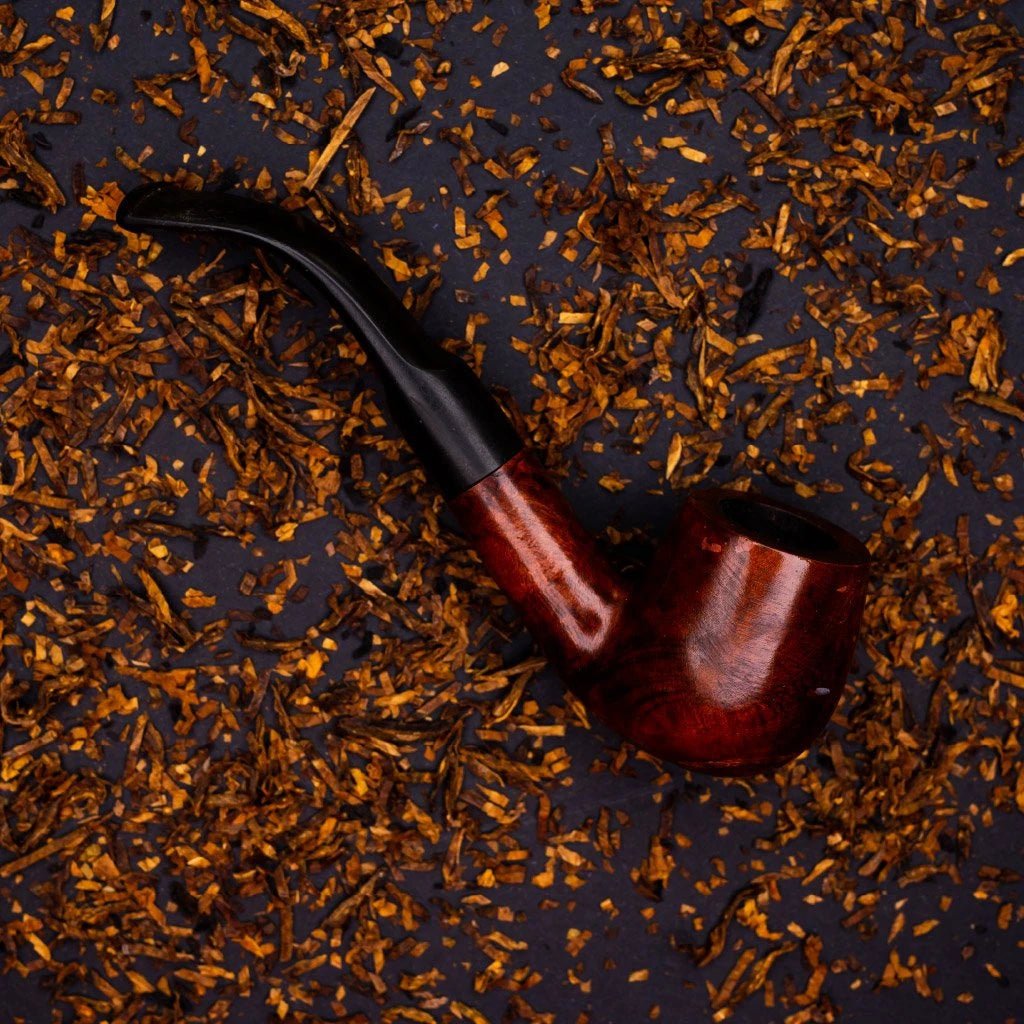
Southern Tobacco is our flagship formula with the deepest scent history in the lineup. Bold Cavendish and Virginia tobaccos anchor the profile, smooth honeyed warmth carries the heart, and rich pipe tobacco and vanilla close it out with a finish that holds all day. The same premium five-oil base conditions, hydrates, and relieves itch and dry skin from the first use. Available in 1 oz and 0.5 oz starting at $22.
Barbershop Beard Oil
Our Barbershop Beard Oil delivers the crisp, clean energy of a classic shave ritual in a modern carrier oil formula. Bergamot and lemon open sharp and fresh, with sharp, fresh basil and rosemary carrying the middle, and earthy oakmoss and white patchouli close with masculine depth. The same premium grapeseed and jojoba base absorbs fast and leaves zero greasy residue, exactly what stubble-stage skin needs. Available in 1 oz and 0.5 oz starting at $22.
Oud Madera Beard Oil
Our Oud Madera is the premium tier at $28. Cardamom and rosewood open bold and exotic, sandalwood and vetiver carry smoky depth, and oud wood, tonka bean, and amber close with a rich, masculine finish that holds all day. Same five-carrier oil conditioning base, top of the scent range. 1 oz only.
How To Apply Beard Oil On Stubble The Right Way
Stubble application is different from a longer beard. The skin is more exposed, and the formula needs to reach it directly. Use oil for beard stubble, right, and the results compound from day one.
- Apply Post Shower: Clean skin absorbs carrier oils significantly faster. Apply immediately after washing while pores are open and primed for absorption.
- Use Fewer Drops: 2 to 3 drops are sufficient for stubble. Over-applying creates a greasy buildup that clogs the follicles you are trying to condition.
- Work Into The Skin: Press the oil directly into the stubble with fingertip pressure, working it into the skin beneath rather than coating the hair surface.
- Apply Daily Without Exception: One application produces no lasting result. Daily use builds hydration and sebum support, helping prevent the itch cycle from taking hold.
Daily application from day one lays the foundation for the skin that every other beard tool depends on. Once that foundation is solid, our does a derma roller help beard growth guide shows you exactly what to add next and why the order matters.
Sources:
- Gupta M, Dey S, Marbaniang D, Pal P, Ray S, Mazumder B. Grape seed extract: having a potential health benefits. J Food Sci Technol. 2020 Apr;57(4):1205-1215. doi: 10.1007/s13197-019-04113-w. Epub 2019 Sep 30. PMID: 32180617; PMCID: PMC7054588. https://pmc.ncbi.nlm.nih.gov/articles/PMC7054588/
- Maurer M, Rietzler M, Burghardt R, Siebenhaar F. The male beard hair and facial skin - challenges for shaving. Int J Cosmet Sci. 2016 Jun;38 Suppl 1:3-9. doi: 10.1111/ics.12328. PMID: 27212465. https://pubmed.ncbi.nlm.nih.gov/27212465/
- Makrantonaki E, Ganceviciene R, Zouboulis C. An update on the role of the sebaceous gland in the pathogenesis of acne. Dermatoendocrinol. 2011 Jan;3(1):41-9. doi: 10.4161/derm.3.1.13900. PMID: 21519409; PMCID: PMC3051853. https://pmc.ncbi.nlm.nih.gov/articles/PMC3051853/